
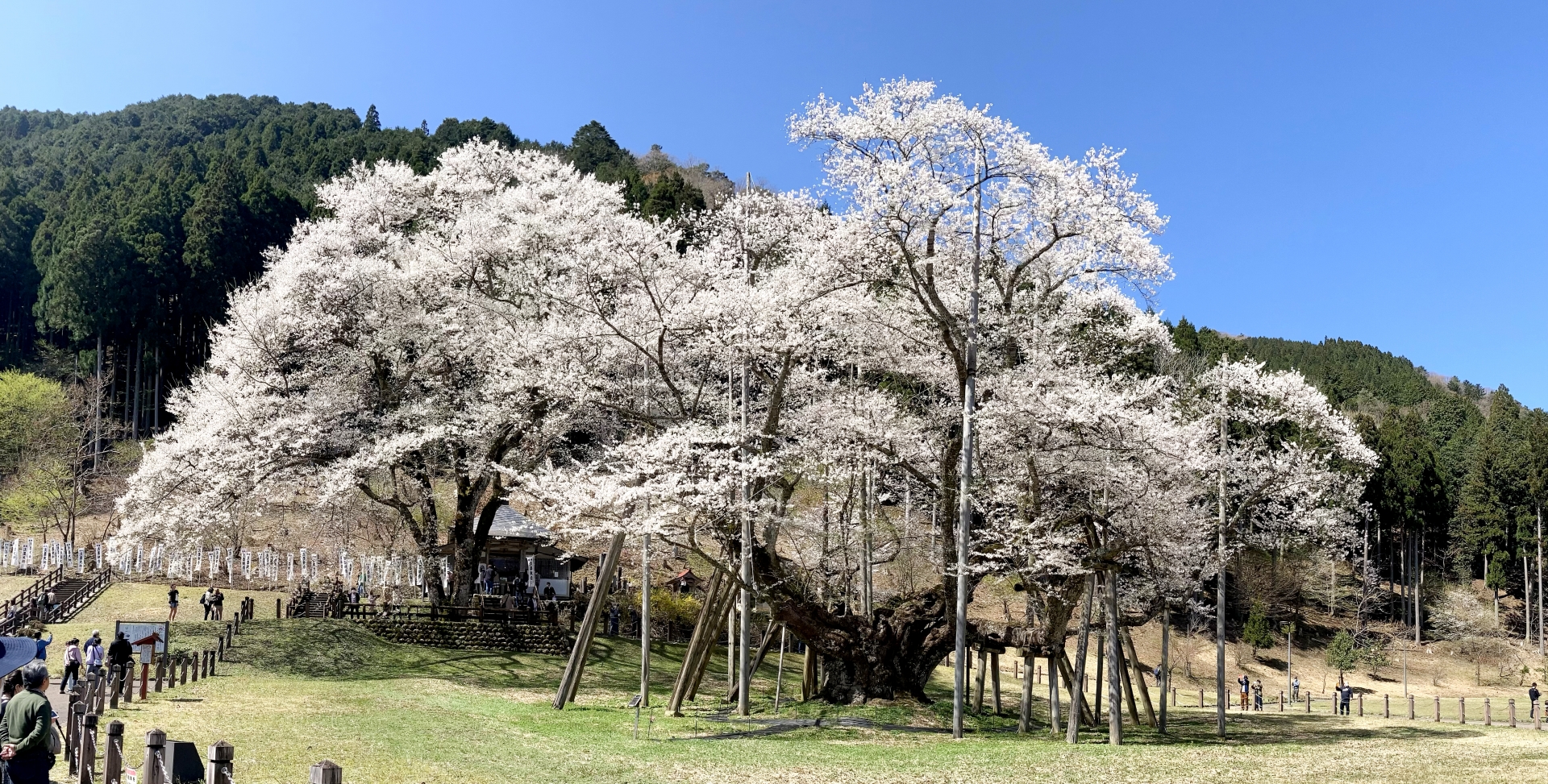
The Japanese Gaze upon Cherry Blossoms
When people think of spring in Japan, they often think first of cherry blossoms. A single old cherry tree blooming in a mountain village, rows of pale blossoms along a river, or a castle ruin wrapped in a soft haze of pink. Cherry blossoms can be seen across Japan, and yet for Japanese people they are not simply beautiful flowers. When standing before cherry blossoms in full bloom, one sees not only their brilliance, but also the fact that they will soon begin to fall.
The beauty of cherry blossoms lies in their brevity. The days of full bloom do not last long. Once the wind rises, the petals leave the branches and drift through the air. Petals scattered on the ground, petals floating on water, petals losing their color in the rain. Japanese people have long found beauty not only in cherry blossoms at their peak, but also in the sight of them falling. In that feeling lies a distinctly Japanese sensibility: the ability to see beauty in something that has reached its height and is already beginning to fade.
This feeling still lives in Japan today. When spring comes, people wait for the cherry blossom forecast, pay attention to the day of full bloom, and feel, when the petals begin to fall, that another spring is already passing. They may appear to be looking at flowers, but perhaps they are really looking at time itself. People become quiet beneath the cherry trees because, somewhere deep within, they know that this beauty will not remain forever.
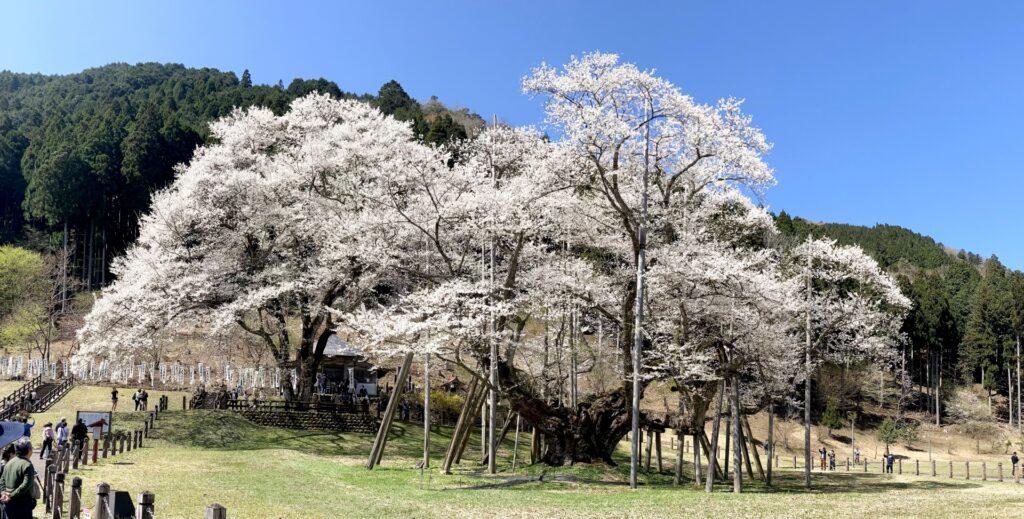
The Seasons Teach Change
Japan has four distinct seasons. Flowers bloom in spring, green leaves deepen in summer, mountains turn red and gold in autumn, and snow falls in winter, softening the sounds of the world. The seasons return each year, but no landscape ever appears in exactly the same way twice. The cherry blossoms seen last year are not the same as those seen this year. The autumn leaves today are not the same as those tomorrow.
Japanese aesthetics are deeply connected to this sense of change. Cherry blossoms are beautiful because they fall. Autumn leaves remain in the heart because, after turning brilliant colors, they drop to the ground. Snow-covered scenery may shine white in the morning, yet by midday the snow begins to melt, leaving only traces on roofs and branches like the last remnants of the season. Japanese people have found beauty not only in a completed form, but also in what has begun to fade, in what is disappearing, and in the quiet presence left behind.
This is also a way of living with nature rather than trying to master it. No one can stop cherry blossoms from falling, autumn leaves from dropping, or snow from melting. Because these things cannot be held in place, watching them while they are still here becomes meaningful. Japan’s four seasons do more than offer beautiful scenery. They quietly remind us that everything changes.
Emotion toward What Is Fading
Japanese people have long held a deep emotional response toward things that are fading away. This is not simply sadness. It is a feeling that arises before something that is weakening, vanishing, or nearing its end, and it is a feeling that finds beauty there. Splendor does not remain splendid forever. Strength eventually weakens, youth eventually passes, and every flower that blooms must fall. In this unavoidable movement, Japanese people have seen a profound kind of beauty.
This sensibility has often been described through ideas such as mono no aware and impermanence. Something moves the heart because it is beautiful, and because that beauty will be lost. Cherry blossoms stir the heart not only because of their color, but because we know they will soon scatter. The loneliness felt in an autumn evening, or the beauty found in a winter garden after the leaves have fallen, comes from the quiet presence of an ending.
The aesthetics of impermanence is not a love of destruction or despair. It is a gaze that stays with what is disappearing until the end. It does not discard what has passed its peak, but receives what remains in decline. It does not see fallen petals as something dirty, but notices even the blossoms spread across the ground. Within this gaze is a quiet respect for all things that live, take form, and eventually fade.
A Japanese Sensibility Still Alive Today
Modern Japan has changed greatly. Cities are filled with high-rise buildings, life moves quickly, and there is less time to sit quietly with the changing seasons. Even so, deep within Japanese people, the habit of turning toward the seasons remains. In spring, they wait for news of the cherry blossoms. In autumn, they follow the changing colors of the leaves. When snow falls, they look outside and feel a silence different from any other day.
This aesthetic does not require special knowledge. Before cherry blossoms in full bloom, people naturally take photographs and slow their steps. When petals begin to fall, they feel spring moving away. When the autumn leaves are gone and the trees stand bare, there is a quiet sense that one season has closed. In these small emotions, accumulated year after year, the Japanese sense of beauty continues to live.
For those traveling in Japan, seasonal landscapes are not merely sightseeing spots. Cherry blossoms, autumn mountains, snow-covered gardens, and the fresh green of summer all carry a sensibility that Japanese people have cultivated over many centuries. To see beauty in Japan is not only to admire what is beautiful. It is also to accept that such beauty will eventually disappear. When travelers touch this way of seeing, a journey through Japan becomes more than a journey through scenery. It becomes a journey into the seasons, into time, and into the deeper heart of Japan.
